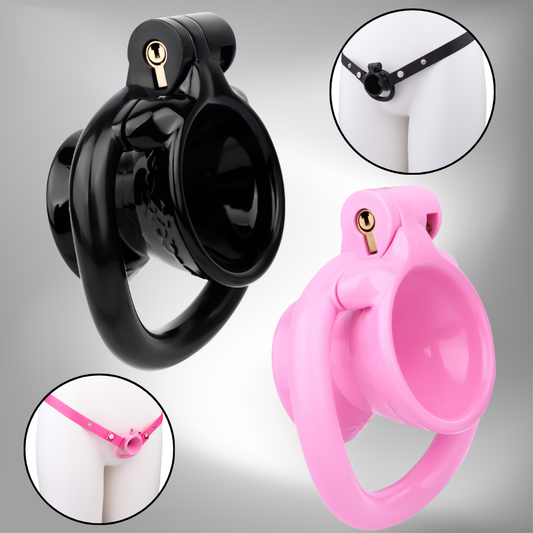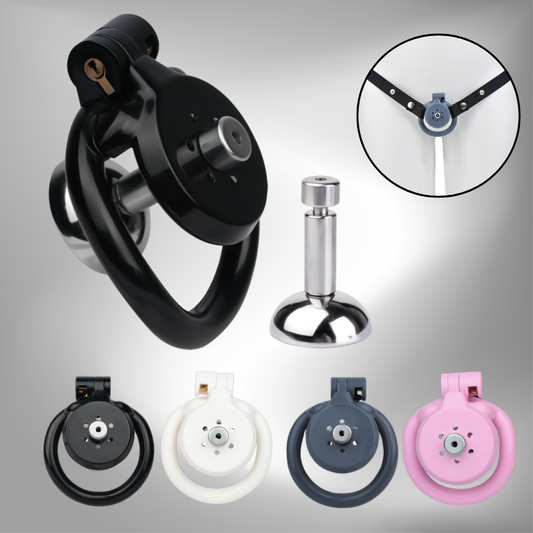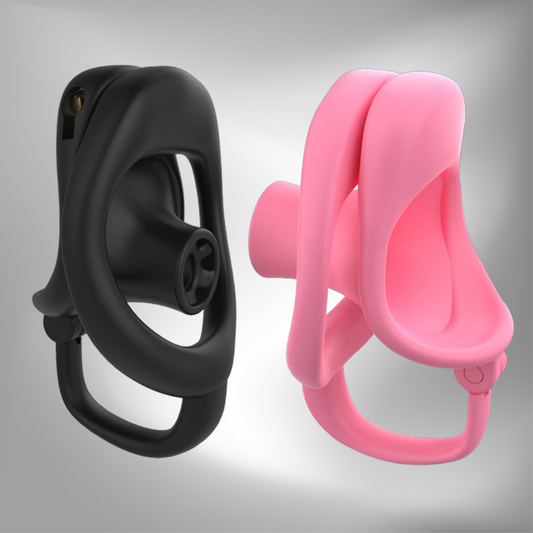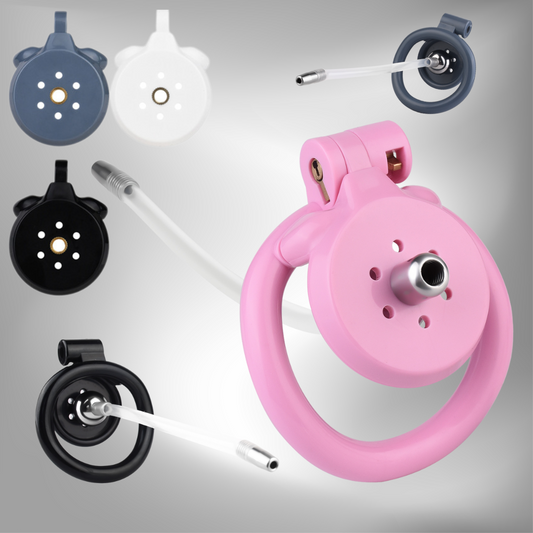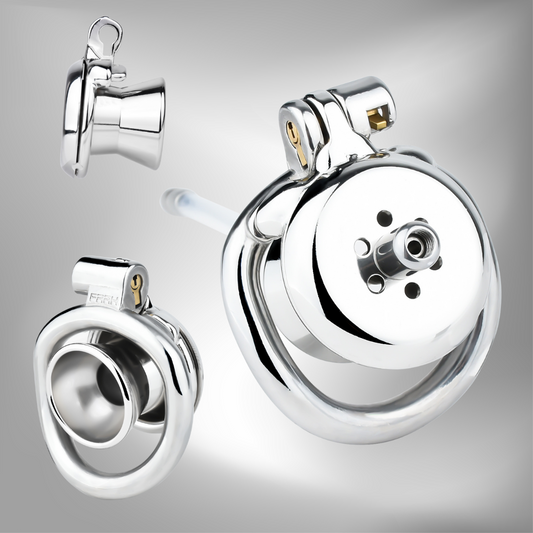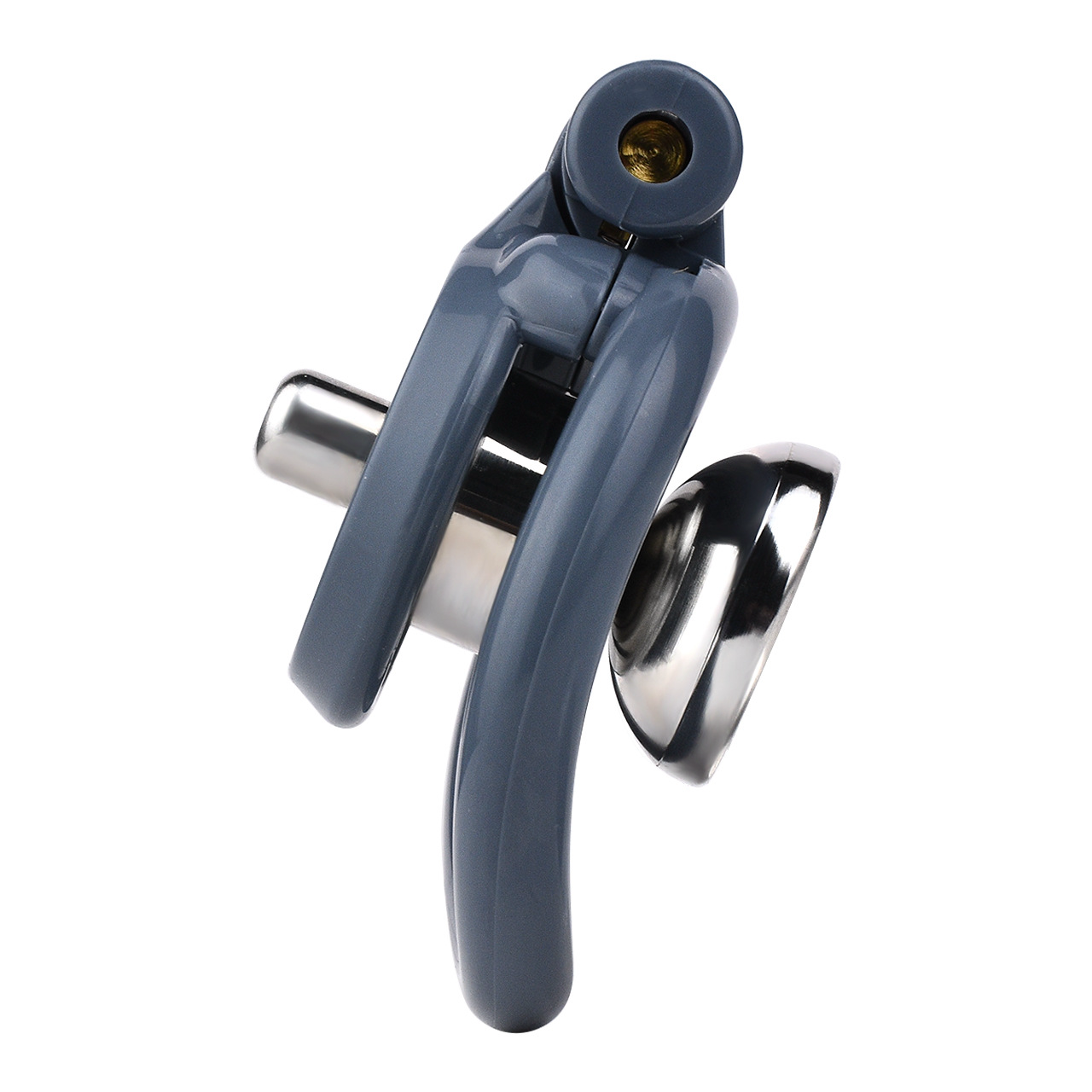

How Long It Takes to Fully Adapt to Wearing a Chastity Cage
Adapting to a chastity cage isn’t about “enduring” anything. It’s about your body and brain slowly agreeing on a new baseline. When people struggle, it’s rarely because chastity is hard—it’s because they expected instant comfort or tried to rush the process. That’s not how bodies work.
Here’s what adaptation really looks like when it’s done right.

The early stage isn’t pain — it’s constant feedback
The first few days are noisy. Not painful, just impossible to ignore. Your body keeps checking in: pressure here, weight there, movement feels different. Sitting down, standing up, adjusting your jeans—you’re hyper-aware of everything happening below the waist.
This stage usually lasts 2–4 days. If it feels unbearable, that’s a red flag. Mild pressure and tight awareness are normal. Sharp pain, numbness, pinching, or discoloration are not. No amount of “pushing through” fixes bad sizing.

Your body adapts faster than your head
Around day 5 to day 10, something interesting happens. Physically, things start settling. Erections become less dramatic. The skin stops reacting. Walking feels smoother. But mentally, the cage starts carrying weight.
This is when the idea of being locked in becomes real. Not exciting in a chaotic way—more grounding. The cage stops feeling like gear and starts feeling like a rule your body understands. Sleep improves here because your nervous system stops treating the cage as a threat.
This phase is where commitment matters more than toughness.

Weeks two and three are about efficiency
By week two, your body has adjusted enough that daily life is fully possible. Workdays, errands, light workouts, long walks—no constant adjustments, no constant checking. Hygiene becomes automatic. You learn exactly how to wash, dry, and inspect without thinking about it.
Pressure points fade. Chafing stops. Your body subtly changes how it holds itself, especially when sitting. That’s not psychological—it’s muscle memory adapting.
If something still feels wrong at this stage, it’s almost always:
-
the ring size
-
cage length
-
cage weight
-
or ventilation issues
Not “lack of experience.”

One month in, it becomes your default state
Around 3–4 weeks, most long-term wearers reach full adaptation. This is the point where removing the cage feels stranger than wearing it. Not emotionally—physically. The absence feels noticeable.
Your body has accepted the cage as normal. Random arousal doesn’t spike. You don’t check the mirror. You don’t adjust your pants. The cage fades into the background of daily life, which is exactly what you want if you’re wearing long-term.
This is also when people realize chastity isn’t about constant stimulation. It’s about control feeling calm, steady, and sustainable.

What actually speeds up adaptation
These are the things that make a real difference:
-
Correct sizing beats experience every time
Beginners in the right cage adapt faster than veterans in the wrong one. -
Lighter cages adapt quicker
Heavy steel feels “serious,” but lighter materials are easier on the body during the first month. -
Consistency matters more than duration
Wearing a cage daily for moderate periods works better than locking for extreme stretches early on. -
Clean skin adapts faster
Daily washing and full drying prevent irritation that people mistake for “normal discomfort.”

The honest timeline
Most bodies fully adapt in 2 to 4 weeks. Not months. Not instantly. And not by suffering through bad fit.
When chastity is done right, it doesn’t feel extreme or dramatic. It feels stable. Controlled. Almost boring in the best way. That’s when people stop asking “how long can I wear this” and start realizing they don’t want to take it off.