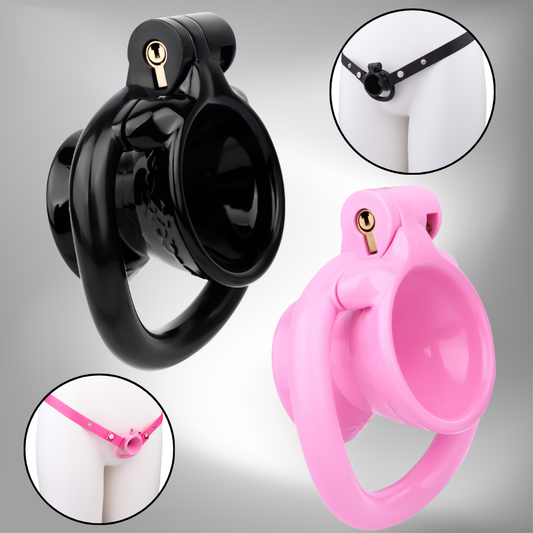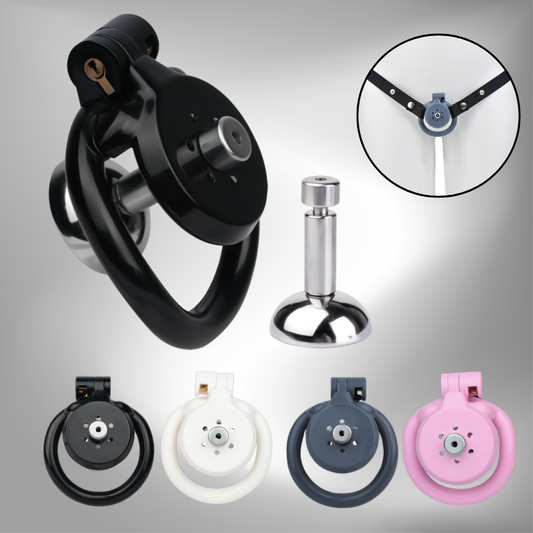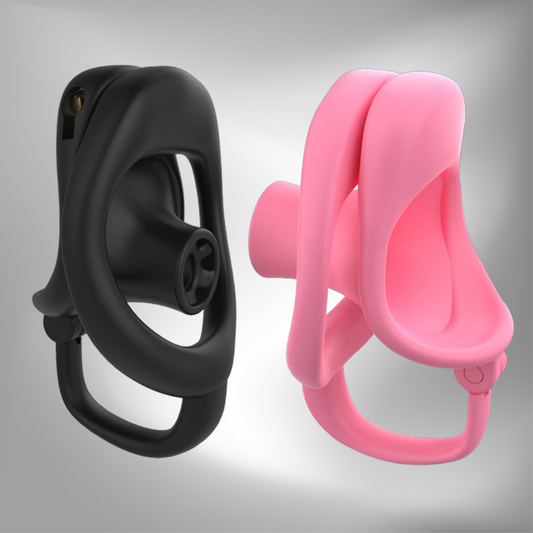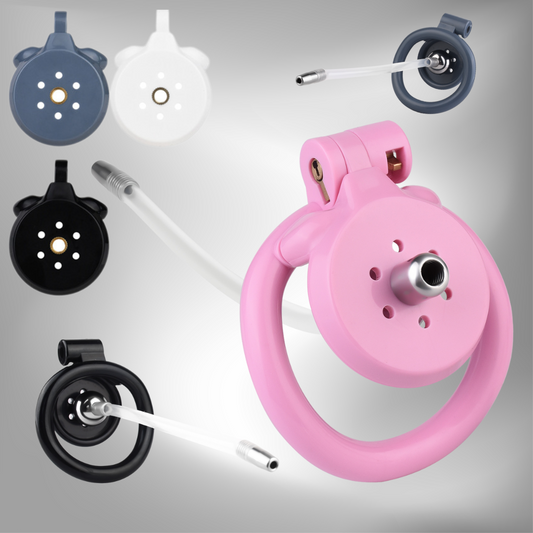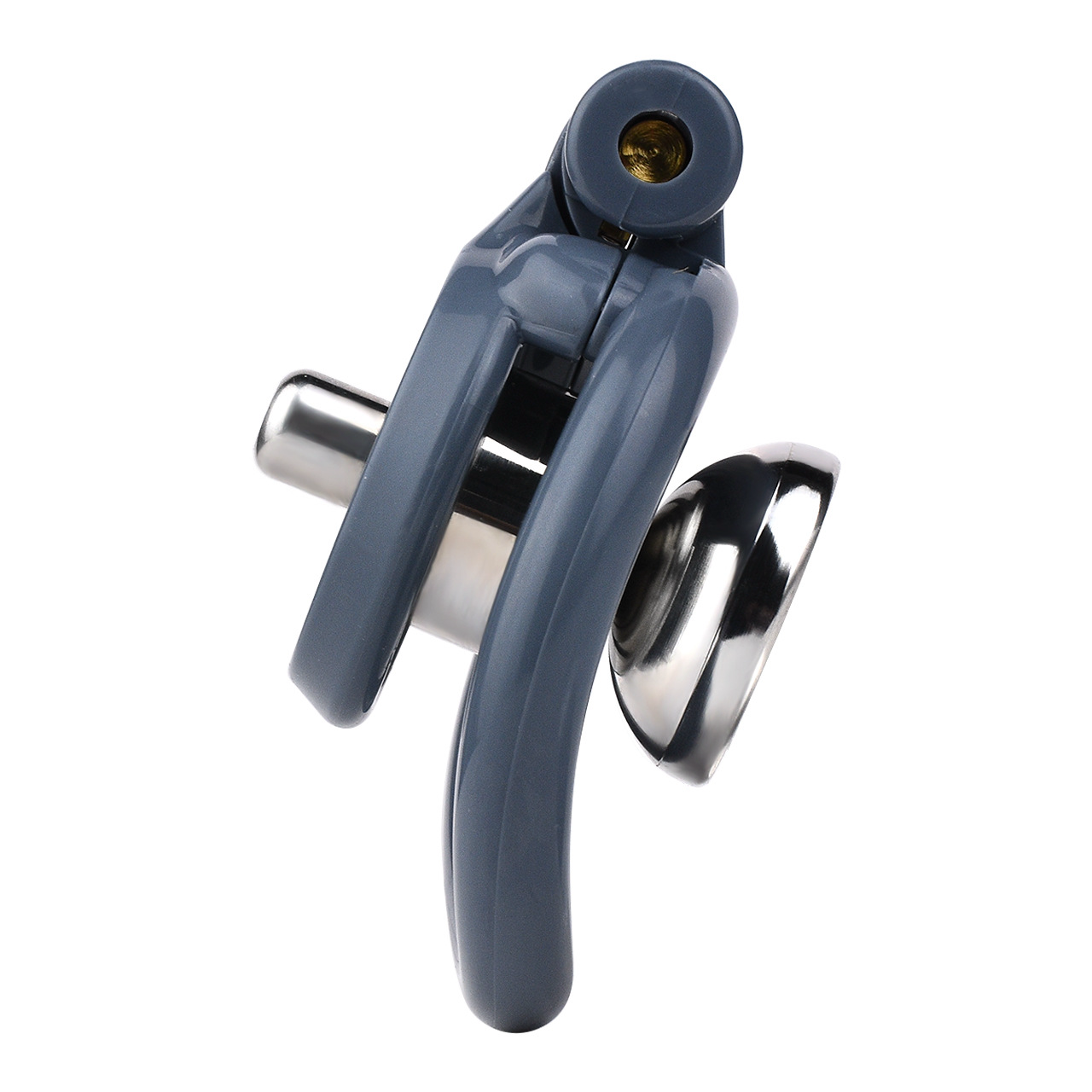

Weekly Safety Checklist for Inverted Chastity Cage Wearers
An inverted chastity cage feels totally different from a regular cage. The tighter tuck, inward pressure, and compact fit can feel insanely secure, but it also means small problems show up faster if you ignore them. A quick weekly check keeps everything comfortable, cleaner, and way safer for long-term wear.
Nobody wants to deal with pinched skin, weird odors, soreness, or circulation issues halfway through the week because they skipped basic maintenance. Five to ten minutes can save you from a miserable reset later.

Check Your Skin Before Anything Else
Take the cage off and actually look at your skin under bright light. Not a quick glance. A real check.
Look for:
- Red pressure lines that stay too long
- Dry cracked skin
- Tiny cuts near the ring
- Dark purple spots
- Swelling around the base ring
- Skin that feels hot or overly sensitive
A faint ring mark is normal. Deep marks that stay for hours are not.
Inverted cages pull everything inward harder than standard cages, especially short or micro styles. If you notice skin folding awkwardly or getting trapped near vents or gaps, that usually means the fit is too tight or the angle is wrong.

Smell Test Matters More Than Most Guys Admit
Warm tucked skin plus trapped moisture turns nasty fast.
If the cage smells bad right after cleaning, bacteria is probably hiding in tiny gaps, silicone sleeves, or around the lock area.
Weekly cleaning should include:
- Taking apart every removable piece
- Cleaning under spacers
- Scrubbing vent holes
- Drying everything completely before locking back up
A lot of irritation problems come from moisture, not the cage itself.
Metal inverted cages usually stay fresher longer than cheap plastic ones because they dry faster and don’t hold odor as easily.

Check the Ring Fit After a Full Day
Morning fit and evening fit are completely different.
After wearing the cage all day:
- Make sure the ring is not digging into the underside
- Check for numbness
- Notice if one side feels tighter than the other
- See if the cage twists while walking
If your legs or lower groin feel sore after normal movement, the ring size might be slightly off even if it “technically fits.”
A good inverted cage should feel snug and controlled, not like it is crushing you every time you sit down.

Test Your Emergency Removal Setup
This gets ignored constantly until somebody actually needs it.
Once a week:
- Make sure the key still works smoothly
- Check if backup keys are easy to reach
- Test hinges and locks for rust
- Make sure numbered locks still open properly
Sweat destroys cheap locks over time. Tiny rust spots can suddenly become a huge problem.
If you wear long-term, keeping one spare lock and one spare key outside the bedroom is honestly smart.
Look for Hair Pulling Areas
Inverted cages are brutal on hair if edges are rough.
Run your finger around:
- Ring seams
- Vent openings
- Lock connection points
- Internal curved sections
If it catches your finger, it will probably catch hair later.
A tiny rough edge can turn daily movement into constant irritation.

Check Your Pee Stream
Not glamorous, but important.
If your stream suddenly sprays sideways, weakens, or backs up inside the cage more than usual, something shifted.
Sometimes it is:
- Swelling
- Poor alignment
- Cage rotation
- A buildup of dried residue
Ignoring it just makes hygiene worse.
Quick rinse checks during the week help a lot, especially with ultra-tight inverted styles.
Pay Attention to Sleep Comfort
A cage that feels fine during the day can become annoying at night.
If you wake up constantly from pressure, pinching, or numbness, your body is telling you something. Inverted cages put more pressure inward during nighttime swelling, and some guys need a slightly larger ring for overnight wear.
Long-term comfort beats forcing a tighter fit that ruins sleep.

Final Reality Check
A high-quality inverted chastity cage should feel secure, smooth, and wearable — not painful, sweaty, or exhausting.
The guys who enjoy long-term wear the most usually are not the ones forcing the smallest possible cage. They are the ones paying attention to comfort, hygiene, circulation, and fit before problems start.
A weekly safety checklist sounds basic, but it is one of the biggest differences between a cage that becomes part of your lifestyle and one that ends up sitting forgotten in a drawer.